72-Hour Sourdough Pizza Crust vs. Instant Yeast Neapolitan Dough
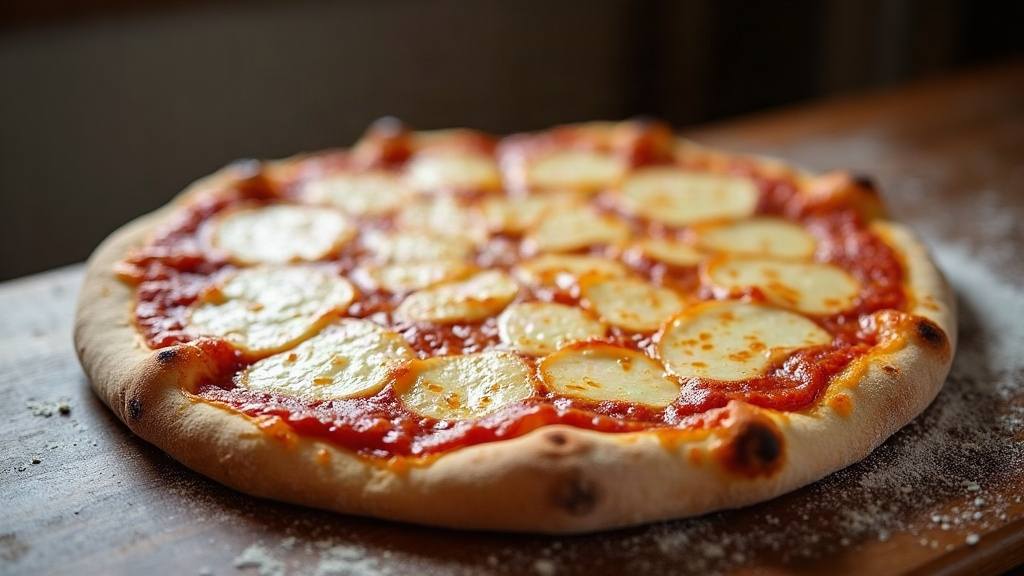
If you’ve ever stood in your kitchen at 6pm wondering whether to feed a sourdough starter three days in advance or just rip open a packet of instant yeast tonight, you already know how much this one decision shapes your whole pizza night. A 72-hour cold-fermented sourdough crust gives you deep, tangy complexity, easier digestion, and a chewier, more open crumb. An instant yeast Neapolitan dough gives you speed, reliability, and that classic light, airy, slightly sweet char-spotted crust in under 24 hours. Neither one is “better” in any absolute sense. They’re built for different goals, different timelines, different moods even.
How Each Dough Actually Works
72-Hour Sourdough Pizza Crust
This method leans on wild yeast and lactic acid bacteria living in a mature starter, usually somewhere between 10 and 20% of your total flour weight. Once mixed, the dough goes through a long, cold bulk or ball fermentation in the fridge (34-40°F) for 48 to 72 hours. That slow pace does a few things at once:
- Gluten relaxes and develops on its own, without aggressive kneading
- Enzymes quietly break starches down into simpler sugars, which deepens flavor over time
- Organic acids build up, giving you that mild tang and a bit more shelf stability
Instant Yeast Neapolitan Dough
Traditional Neapolitan dough, by AVPN standards, uses barely any commercial yeast (often under 0.2%) with a 2-hour bulk rise followed by a 4 to 6 hour ball proof at room temperature. Instant yeast works fast and skips the blooming step, so you get consistent, predictable results inside a single day. The recipe itself stays dead simple: flour, water, salt, yeast. Nothing else.
Flavor and Aroma Differences
The sourdough version wins on complexity, no contest. That 72-hour cold ferment brings out subtle tang, nutty undertones, and a slightly fermented aroma that reminds you more of artisan bread than fast food. It pairs beautifully with stripped-down toppings like margherita or a white pie, mostly because the crust itself is already doing the flavor work.
Instant yeast dough, on the other hand, is cleaner and more neutral. It steps back and lets the toppings take over. There’s a light sweetness from residual sugars and that familiar “pizzeria” aroma most of us grew up associating with takeout Neapolitan pies.
Texture and Crust Structure
| Feature | 72-Hour Sourdough | Instant Yeast Neapolitan |
|---|---|---|
| Crumb | Open, irregular holes | Tighter, more uniform |
| Chew | Dense, chewy | Light, airy |
| Crust edge (cornicione) | Crisp exterior, soft tangy interior | Classic leopard-spotted char, pillowy puff |
| Digestibility | Easier, long fermentation breaks down gluten/FODMAPs | Heavier on the stomach for some |
Long fermentation is well documented to reduce certain fermentable carbs, which is probably why so many people say they feel less bloated after a slow-fermented sourdough pizza than after a same-day yeasted one. Anecdotal, sure, but consistent enough to mention.
Timing and Convenience
This is where instant yeast just wins, flat out. Decide at 2pm that you want pizza tonight? Instant yeast dough can be on the table by dinner. Sourdough asks for actual planning: an active, bubbly starter, and then two full days of cold fermentation before it’s even ready to shape.
Choose instant yeast if:
- You’re making a same-day or next-day call on pizza
- You don’t keep a sourdough starter going
- You want that lightest, most classic Neapolitan puff
Choose 72-hour sourdough if:
- You already maintain a starter and tend to plan ahead anyway
- You want more flavor depth and easier digestion
- You’re building a crust sturdy enough for heartier toppings
Oven Requirements
Both doughs want high heat, ideally 700-900°F in a dedicated pizza oven, but sourdough is a bit more forgiving in a regular home oven running at 500-550°F. Its denser structure holds onto moisture longer, which lowers the odds of a soggy center. Neapolitan dough really only shines with blistering, fast heat, under 90 seconds of bake time, which is exactly why pizzerias invest in those specialized ovens in the first place.
Which Should You Choose?
For a quick weeknight dinner and that iconic Neapolitan bite, instant yeast dough is hard to argue with. For a weekend project where flavor depth and digestibility matter more than speed, the 72-hour sourdough crust earns its wait. A lot of experienced home bakers just keep both methods going in rotation, switching depending on how much lead time they’ve got that week. You don’t have to pick a permanent side here.
Conclusion
The 72-hour sourdough crust and the instant yeast Neapolitan dough are really answering two different questions. One rewards patience with complex flavor and an easier-on-the-gut result. The other rewards urgency with speed and that lighter, classic crust everyone recognizes. Match the dough to your timeline and your taste, and either way, you’re walking away with a great pizza.