Salvaging Overproofed Sourdough Into Flatbreads and Focaccia
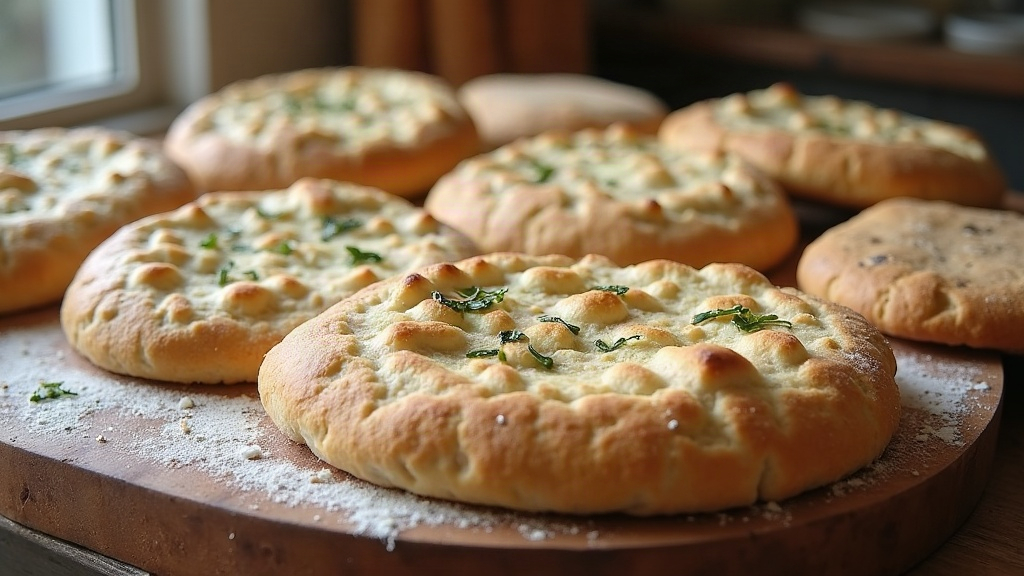
Overproofed Sourdough? Don’t Toss It, Flatten It
Severely overproofed sourdough dough, the kind that’s slack, sticky, flat, smells like vinegar, and collapses the second you touch it, doesn’t belong in the trash. Sure, it’ll never rise into a proud, open-crumb boule again. But that same tired, overfermented dough is nearly perfect for flatbreads, focaccia, crackers, and pan breads, places where a dense, tangy, well-hydrated crumb isn’t a flaw, it’s exactly what you want. Below is how to spot true overproofing, why it kills loaf structure without ruining flavor, and how to turn it into dinner instead of compost.
How to Tell If Your Dough Is Truly Overproofed
Before you try to save anything, make sure you’ve actually got a problem. Signs of severe overproofing:
- Dough that spreads into a puddle rather than holding any kind of dome
- A surface that’s bubbly, shiny, or slightly wet, with big irregular bubbles
- A sharp, vinegary or boozy smell (that’s acetic acid building up)
- The poke test: press a finger in and it doesn’t spring back at all, maybe even sinks further
- Gluten that tears instead of stretching (fermentation has chewed through the bonds)
If the dough still springs back slowly, you’re probably just dealing with mild over-proofing, not the severe kind. You can likely still shape and bake that as a flatter, denser loaf. The dough we’re rescuing here has gone well past that point.
Why Overproofed Dough Fails as Loaf Bread (But Works for Flatbreads)
Enzymes and acid have been working overtime, breaking down gluten strands, and the yeast and bacteria have eaten through most of the available sugars. There’s nothing left to fuel a final oven spring. The dough physically can’t trap gas anymore, so it can’t hold a tall shape, no matter how carefully you fold it.
But flatbreads, focaccia, and crackers were never asking for that in the first place:
- Flatbreads want to be thin and dense anyway, weak gluten and low rise don’t matter here.
- Focaccia leans on olive oil, dimpling, and a wet, open crumb, and slack dough is honestly easier to stretch into a pan than firm dough is.
- Crackers want almost zero rise, period, so overfermented dough bakes up thin, crisp, and loaded with sour flavor.
There’s also a flavor bonus: all that extra acidity means a deeper, tangier taste, which works beautifully in savory flatbreads and focaccia, where sourness plays nicely against olive oil, herbs, and flaky salt.
Step-by-Step: Turning Overproofed Dough Into Focaccia
- Degas gently. Forget preserving air pockets, you don’t have any good ones anyway. Fold the dough over itself 3-4 times in the bowl to redistribute moisture and firm things up a touch.
- Oil a sheet pan generously (2-3 tablespoons olive oil) and pour the dough straight in. No shaping required, it’ll spread on its own, that’s the point.
- Let it rest 20-30 minutes at room temperature so it relaxes, then dimple firmly with oiled fingers across the whole surface.
- Top it with flaky salt, rosemary, cherry tomatoes, or thin onion slices.
- Bake hot: 220-230°C (425-450°F) for 20-25 minutes until deeply golden. The olive oil and heavy dimpling make up for the weak gluten, so you still end up with a crisp bottom and a tender, almost custardy interior.
Step-by-Step: Turning It Into Flatbread
- Divide the slack dough into portions with a bench scraper. Don’t try to handle it like firm dough with bare dry hands, you’ll just make a mess. Use plenty of flour or oil.
- Pat or roll each portion thin (3-5mm) right on a floured or oiled surface. Skip the usual shaping and tensioning steps entirely, there’s no structure left to preserve.
- Cook on a hot, dry cast-iron skillet or griddle, about 1-2 minutes per side, or bake on a preheated pizza stone at high heat for something closer to charred, bubbly naan.
- Brush with butter, or olive oil and garlic, straight off the heat.
Bonus Use: Sourdough Crackers
Got dough that’s basically falling apart, or just scraps left over? Roll it paper-thin between sheets of parchment, score into squares, dock with a fork, sprinkle with salt, and bake low and slow at 150°C (300°F) for 20-30 minutes until crisp. This is the most forgiving fix on this whole list, nothing to lose here.
What Not to Do
- Don’t dump in more flour and knead it hard hoping to “fix” the gluten. It’s already broken, and over-kneading slack, sour dough just turns it gummy.
- Don’t attempt a long shaped proof again. That won’t rebuild structure, it’ll just keep breaking the dough down further.
- Don’t toss it over smell alone. A sharp sour smell is acid, not spoilage. As long as there’s no mold, no discoloration, no actually rotten odor, you’re fine.
Preventing It Next Time
- Track dough temperature, not just the clock. Fermentation speeds up a lot above 24°C (75°F), even a few degrees can throw your timeline off by hours.
- Do the poke test every 30-45 minutes during bulk fermentation instead of trusting a timer blindly.
- Refrigerate (retard) the dough once it hits 70-80% proofed if your day’s gotten away from you. That buys hours of safety margin, no drama required.
Conclusion
Severely overproofed sourdough isn’t a failure, it’s just a different bake in disguise. Skip the shaping and oven-spring expectations you’d have for loaf bread, lean into flatbreads, focaccia, or crackers instead, and suddenly weak gluten and extra sourness become exactly the qualities those formats are built for. Next time your dough collapses on you, grab a sheet pan and some olive oil before you reach for the trash bin.