Manipulating Lactic vs. Acetic Acid Ratios in Sourdough
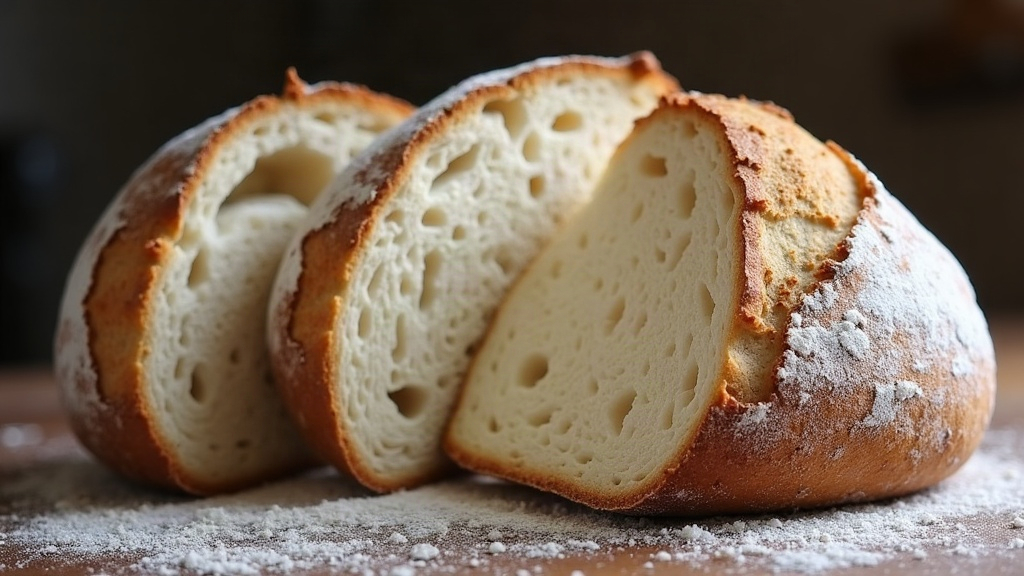
Sourdough’s tang doesn’t come from one single thing. It’s the product of two organic acids, lactic and acetic, working together (or against each other, depending on how you treat your starter). Get the ratio right and you end up with something that tastes like yogurt. Get it wrong (or right, depending on what you’re after) and you’re biting into something closer to vinegar. The good news: temperature, hydration, and how often you feed the thing all let you nudge that ratio in either direction. This isn’t guesswork. It’s chemistry you can actually steer.
Why Two Acids Matter
Every starter is basically a tiny ecosystem, a mix of lactic acid bacteria (LAB) and wild yeast living off flour and water. The LAB are the ones doing the acid work, and they produce two main compounds:
- Lactic acid: mild, creamy, almost yogurt-like. Shows up most in warm, wet, young starters.
- Acetic acid: sharp, vinegary, the kind of sourness that makes your eyes water a little. Dominates in cool, stiff, slow-fermented starters.
Here’s the part people miss: most starters make both acids at once. What actually determines the flavor isn’t total acidity, it’s the ratio between the two. You can have a starter that’s screamingly acidic by pH reading and still taste fairly gentle, if lactic acid is doing most of the work. Flip it around, and a starter with a comparatively higher pH can taste aggressively sour just because acetic acid is calling the shots.
The Four Levers That Shift the Ratio
1. Temperature
If you only change one thing, change this. Nothing moves the needle faster.
- Warm (78–82°F / 26–28°C): LAB thrive here, pumping out lactic acid quickly. The result is a mellow, almost mild loaf.
- Cool (55–65°F / 13–18°C): Yeast slows down faster than the acetic-forming bacteria do, so those bacteria get extra time to build up. The bread comes out noticeably tangier.
Classic trick: retard your dough overnight in the fridge (38–45°F). You get a sharper, more acetic flavor without pushing the dough into overproofed territory. Bakers have been doing this for decades, and it still works.
2. Hydration
Water isn’t just water here, it’s also deciding who gets to thrive.
- High hydration (80%+): More oxygen moves through the mix, fermentation speeds up, and lactic acid bacteria get the upper hand. Softer, gentler sourness.
- Stiff starters (50–65% hydration): Less oxygen, slower pace, conditions that favor acetic acid bacteria. Sharper bite.
This is basically why a French-style “levain dur,” kept deliberately stiff, tastes noticeably more tangy than the wetter, high-hydration starters common in Italian baking. Same flour, same yeast culture lineage in spirit, totally different outcome just from water content.
3. Feeding Frequency and Ratio
How often you feed, and how generously, changes how much acid has time to accumulate.
- Frequent feeding (1:1:1 or 1:2:2, twice a day): Keeps the culture young, active, and essentially “reset” before much acid builds up. Mild flavor, lactic-leaning.
- Infrequent feeding (1:5:5 or 1:10:10, once a day or less): The starter sits longer between meals, which gives acetic acid bacteria room to build. More sourness, more complexity.
4. Flour Type
Whole grain and rye flours bring more minerals, enzymes, and bran along for the ride, and that bran material specifically feeds acetic acid bacteria. Even a modest swap, say 10–20% whole wheat or rye mixed into your regular feedings, will push the tang up over a week or two, regardless of what you’re doing with temperature or hydration.
Putting It Into Practice
Want a milder, lactic-forward loaf?
- Feed twice daily at a 1:1:1 ratio
- Keep everything warm, 75–80°F for starter and dough alike
- Go high hydration, 75–100%
- Stick with all-purpose or bread flour, nothing fancy
Want a sharper, acetic-forward loaf?
- Feed once a day or less, using a leaner ratio like 1:5:5
- Retard the bulk ferment or final proof overnight in the fridge
- Keep the starter stiffer, around 60% hydration
- Blend in 15-20% whole wheat or rye
A Note on Measuring Progress
You don’t need a chemistry set for this. Your nose already knows. A lactic-dominant starter smells like plain yogurt, maybe fresh milk. An acetic-dominant one, especially when it’s hungry, smells sharp enough to remind you of nail polish remover. If you want numbers, pH strips will confirm overall acidity (sourdough usually lands somewhere between pH 3.5 and 4.5), but they can’t tell you which acid is winning. For that, trust your tongue over your tools.
Common Mistakes
- Overproofing at warm temperatures won’t necessarily make things sourer. It mostly just risks a collapsed crumb and some off, overly gassy flavors nobody asked for.
- Assuming cold always equals sour. Not true. A weak, underfed starter doesn’t have the microbial muscle to produce much acid of either kind, cold ferment or not. You need an active population first.
- Changing too many variables at once. Adjust temperature, hydration, or feeding ratio one at a time. Otherwise you’ll never actually know what caused the shift in flavor, and you’ll end up guessing forever.
Conclusion
None of this is random. Sourdough flavor is a direct, traceable result of which microbes you’re feeding and how. Keep things warm, wet, and fed often, and you’ll land on a gentle, lactic-leaning loaf. Go cold, stiff, and sparse with feedings, and you’ll end up with something sharper and more acetic. Learn these four levers, temperature, hydration, feeding, and flour, and you stop guessing at sourness. You start dialing it in, loaf after loaf.