Autolyse vs. Fermentolyse: Which Builds Better Gluten?
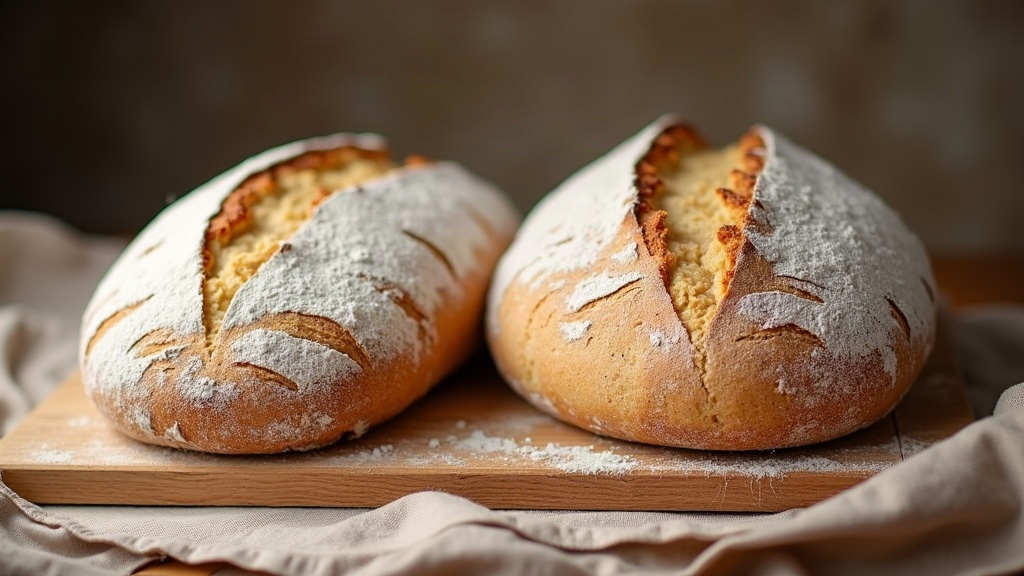
Autolyse vs. Fermentolyse: Which Dough Mixing Method Actually Builds Better Gluten Structure?
Spend enough time around serious bread bakers and you’ll hear both words tossed around like settled science. Autolyse (resting flour and water before adding salt, yeast, or starter) has been a staple since Raymond Calvel pushed it into the mainstream decades ago. Fermentolyse is the lesser-known cousin: you mix in the leavening agent, yeast or sourdough starter, right from the start of that same rest. Both claim to build gluten with less elbow grease. So which one actually earns its keep?
Short version: autolyse gives you dough that’s a bit more extensible and easier to shape, with cleaner gluten alignment. Fermentolyse trades a little of that strength for a head start on fermentation and flavor. Neither wins outright. The right pick depends on your schedule, your flour, and what’s going in the oven.
What Each Method Actually Does
Autolyse: Pure Hydration Rest
A classic autolyse is just flour and water, left alone for anywhere from 20 minutes to several hours before salt, yeast, or starter enters the picture. During that rest:
- Flour proteins (glutenin and gliadin) hydrate fully
- Enzymes (amylase and protease) start breaking down starches and proteins
- Gluten strands begin forming passively, no mixing required
No salt means faster hydration. Salt tightens gluten and slows water absorption, so leaving it out speeds everything up.
Fermentolyse: Hydration Plus Early Fermentation
Fermentolyse is basically an autolyse with the leaven or yeast stirred in from the get-go. You still hold back the salt, but fermentation kicks off immediately during the rest. Which means:
- Enzymatic activity gets a boost from yeast metabolism
- Organic acids start forming earlier, shaping both flavor and gluten behavior down the line
- The dough is already “working” before bulk fermentation even officially begins
The Gluten Structure Comparison
Here’s where things get a little nerdy. Gluten strength comes down to how well glutenin and gliadin cross-link into an elastic network that can hold gas.
Autolyse advantages:
- Dough turns out noticeably more extensible, tears less during shaping
- Cuts total mixing time by 20-25%, which means less oxidation and more of the carotenoid pigments survive (better crumb color, better flavor)
- Gives you a clean read on gluten development since fermentation isn’t muddying things up yet
Fermentolyse advantages:
- Early acid production can actually tighten gluten bonds over time, a bit like how a long bulk ferment firms things up
- Shines with high-hydration doughs (80%+ hydration) where you want fermentation efficiency without burning rest time
- Fits bakers on a tight clock who can’t spare a separate pre-ferment window
The tradeoff: fermentolyse dough can feel a touch less extensible at first, since CO2 and lactic acid start reshaping the matrix before it’s had a chance to fully relax. A few bakers I’ve talked to say they just throw in one extra fold to make up for it.
Which Should You Use?
Choose Autolyse When:
- You’re working with high-extraction or whole wheat flour that needs every minute of hydration it can get
- You want the clearest possible read on gluten development before fermentation starts complicating the picture
- Your schedule has room for a dedicated 30-60 minute rest before everything else gets mixed in
Choose Fermentolyse When:
- You’re pressed for time and want hydration and fermentation happening at once
- You’re using active dry yeast or a lively sourdough starter that benefits from an early jump
- You’re working high-hydration dough and could use the extra enzymatic push to loosen things up
A Practical Test Worth Trying
Split your flour and water into two equal batches. Autolyse one for 45 minutes, then mix in starter and salt. For the other, add starter right away and hold the salt until the 45-minute mark (fermentolyse). Shape both the same way, bake, and compare oven spring and crumb side by side. Most home bakers find the fermentolyse loaf comes out with a slightly more open, irregular crumb, while the autolyse loaf shows tighter, more uniform gluten alignment and handles easier during shaping.
Conclusion
Neither method beats the other across the board, they just solve different problems. Autolyse is your precision tool: best for gluten development and extensibility, especially with stubborn flours. Fermentolyse is the efficiency play, letting fermentation and hydration run side by side without giving up much structural quality. New to either one? Start with a standard autolyse so you learn how your flour actually behaves, then try fermentolyse once you can read dough strength by feel instead of by the clock.