Cast Iron Dutch Oven vs. Baking Steel for Max Oven Spring
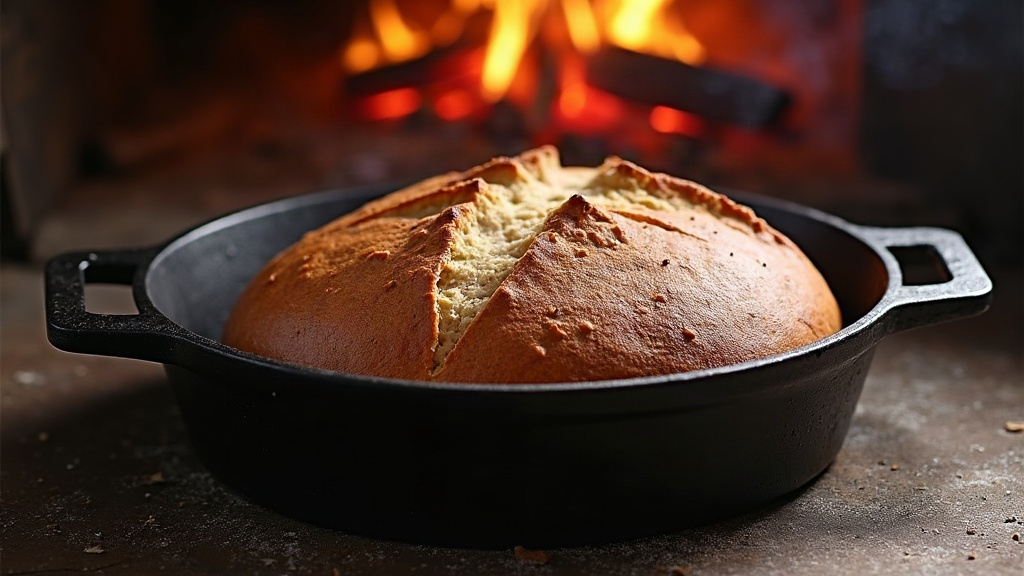
If you’re chasing that tall, blistered, bakery-quality oven spring at home, it really comes down to two setups: a cast iron Dutch oven versus a baking steel paired with lava rocks for steam. Both can turn out excellent bread, but they get there through different mechanisms, and each comes with its own trade-offs in convenience, consistency, and loaf shape. Here’s the full breakdown so you can pick the right tool for your kitchen.
Why Oven Spring Depends on Heat and Steam
Oven spring, that dramatic rise a loaf gets in the first 10-15 minutes of baking, happens when trapped gases expand rapidly before the crust sets. Two things control this:
- Bottom heat transfer, meaning how fast and evenly heat moves into the dough from below.
- Steam, which keeps the crust soft and elastic long enough for the dough to fully expand before it hardens.
Both the Dutch oven and the steel-plus-lava-rocks method aim to solve this. They just go about it in different ways.
Cast Iron Dutch Oven: Self-Contained Steam Chamber
A preheated Dutch oven traps the dough’s own moisture, creating a sealed steam environment automatically. No extra water, no rocks, nothing to measure out.
Pros:
- Steam is self-generated and fully contained, so there’s no guesswork involved.
- Cast iron retains heat extremely well, giving you a strong, even bottom crust.
- Great for beginners. It’s forgiving and tends to produce consistent results loaf after loaf.
- Produces a classic round or oval boule with a thick, crackly crust.
Cons:
- Loaf size is capped by the pot’s diameter, usually 10-12 inches max.
- Scoring the dough and dropping it into a scorching-hot pot is fiddly and a common way to burn yourself.
- Preheating a heavy Dutch oven can eat up 45-60 minutes.
- Not practical for baguettes, large batards, or baking several loaves at once.
Baking Steel + Lava Rocks: Pro Bakery Simulation
A baking steel conducts heat far more aggressively than a baking stone, giving the dough’s underside a serious thermal kick. Add a pan of lava rocks (heated separately, then doused with boiling water right before the bake) and you get an instant blast of steam that mimics what commercial steam-injected ovens do.
Pros:
- The steel’s high thermal mass gives a bigger, faster oven spring than stone, sometimes rivaling cast iron.
- No size limit. This setup handles baguettes, large boules, pizza, and several loaves side by side.
- Easier loading with a peel. No fumbling dough into a narrow, blazing-hot pot.
- Lava rocks hold heat and release steam gradually, often giving a longer steam window than a single water pour.
Cons:
- Requires extra gear (steel, rocks, a pan) and more setup steps.
- Steam escapes an open oven faster than it would from a sealed Dutch oven, so timing when you douse the rocks actually matters.
- The steel is heavy and needs a long preheat, 45 minutes or more, to work properly.
- A bit more skill-dependent. Get the steam timing wrong and the results can be uneven.
Side-by-Side Comparison
| Factor | Dutch Oven | Steel + Lava Rocks |
|---|---|---|
| Steam control | Automatic, sealed | Manual, open oven |
| Max loaf size | Small-medium | Large, multiple loaves |
| Bottom crust | Thick, dark | Crisp, very crunchy |
| Ease for beginners | High | Moderate |
| Preheat time | 45-60 min | 45+ min |
| Best for | Boules, batards | Baguettes, pizza, batch baking |
Which Should You Choose?
- Choose the Dutch oven if you bake one loaf at a time, want foolproof steam, and care most about a classic artisan crust without much fuss.
- Choose baking steel with lava rocks if you bake baguettes, pizza, or multiple loaves regularly, or if you want maximum oven spring and don’t mind a more hands-on process.
Plenty of serious home bakers end up owning both: the Dutch oven for a quiet weekend boule, the steel-and-rocks rig for baguette days when they’re feeding a crowd.
Final Verdict
Neither tool wins outright. They solve the same problem (heat plus steam) in different ways, each suited to a different style of baking. For pure oven spring on a single rustic loaf, the Dutch oven’s sealed steam chamber is tough to beat. But if you want volume, versatility, and that professional bakery crackle across multiple shapes, the baking steel with lava rocks is the more scalable investment over time. Match the tool to what you actually bake most often, and either way you’ll end up with bread worth bragging about.