Gummy Sourdough Crumb: Underbaked, Underproofed, or Cut Too Soon?
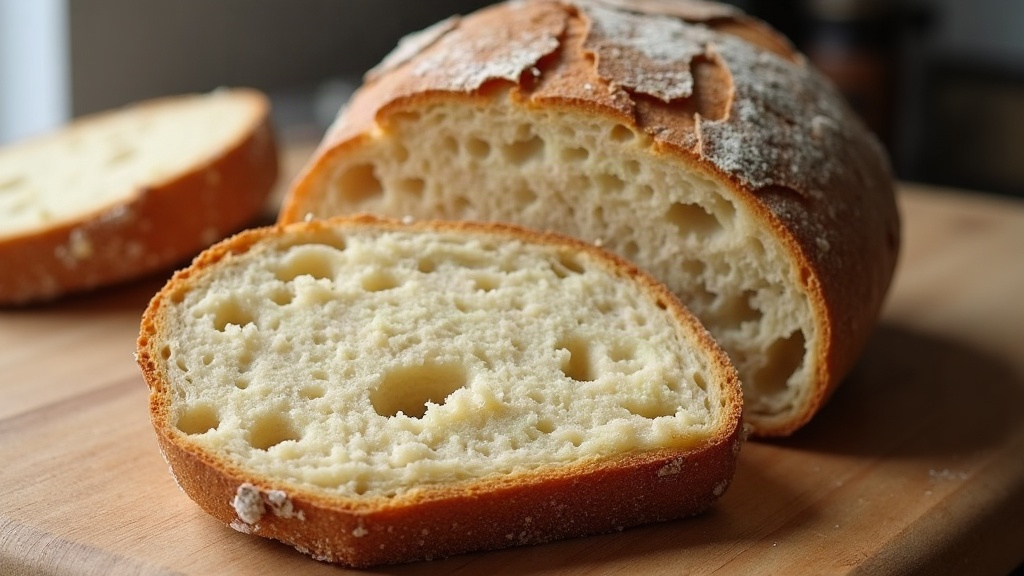
A gummy sourdough crumb (that dense, wet, slightly tacky texture you find near the center of a loaf) almost always comes down to one of three things: the bread didn’t bake long enough, the dough didn’t proof long enough, or you cut into it before it finished cooling. Here’s how to tell these apart, and what to actually change the next time you bake.
Why Gumminess Happens in the First Place
At its core, this is a starch problem. Raw or partially gelatinized starch feels wet and sticky. Fully baked, properly set starch feels springy and just slightly dry when you touch it. Three completely different stages of the baking process can leave starch stuck in that unfinished state, which is exactly why figuring out the cause takes a bit of detective work.
Test #1: Check the Bake Itself
Signs of underbaking:
- The crumb near the bottom crust is noticeably gummier than up top.
- Internal temperature (grab an instant-read thermometer for this) sits below 205-210°F (96-99°C).
- The crust looks pale or soft rather than deeply caramelized.
- The loaf sounds hollow when you tap it, but the inside still feels wet.
Fix:
- Bake it longer, even if the crust already looks done. Color lies. Internal temp doesn’t.
- Move your oven rack down a notch if the bottom stays underbaked while the top is fine.
- Add 5-10 minutes to your covered Dutch oven bake before taking the lid off.
- Confirm your oven actually hits the temperature you set. A $10 oven thermometer saves a lot of grief here.
Test #2: Check Proofing
Underproofed dough holds onto excess moisture and unconverted starches, which leaves you with a tight, gummy, sometimes irregular crumb, often with big tunnels right under the crust.
Signs of underproofing:
- The crumb looks dense and tight, almost cake-like, no open or irregular holes.
- There’s a gummy “ring” or streak just beneath the crust. This is the classic underproof tell.
- The loaf had fantastic oven spring (it practically jumped up in the oven), yet the inside is still gummy.
- Your dough failed the poke test: it bounced back immediately instead of springing back slowly.
Fix:
- Give bulk fermentation more time. You’re looking for a 30-50% increase in volume, visible bubbles across the surface and sides, and a jiggly, airy feel when you nudge the container.
- Go by what you see and feel, not the clock. A few degrees of difference in your kitchen can shift fermentation time by hours.
- If your starter feels sluggish, build a stronger levain first (feed it more often, use warmer water) before you mix your dough.
Test #3: Check Your Slicing Time
This one gets overlooked constantly, and it’s honestly the easiest fix of the three.
Signs you cut too soon:
- The crumb looks and feels gummy straight out of the oven, even though everything else checks out: good internal temp, nice crust color, solid oven spring.
- You can see steam actually escaping when the knife goes in.
- A second loaf from the same batch firms up noticeably if you let it rest longer before slicing.
Fix:
- Let the loaf cool all the way, at least 1-2 hours, longer for a big boule.
- Starch keeps setting and moisture keeps redistributing while the bread cools. Cut too early and you release trapped steam, which locks in that gummy texture that would’ve sorted itself out given time.
- Need bread sooner? Bake smaller loaves or rolls. They cool a lot faster.
How to Narrow Down the Real Cause
Not sure which of the three is to blame? Run through this quick checklist:
- Did you actually check the internal temperature? If not, start there. Bake to temp, never to time.
- Was the gumminess only in a ring near the crust, or spread evenly through the whole center? A ring points to underproofing. An even, gummy core points to underbaking.
- Did you slice it within the first hour? If so, rule this out before you blame your fermentation schedule. It’s usually the simplest explanation.
Here’s a good way to isolate the variable: bake two small test loaves from the same batch of dough. Slice one while it’s still hot, let the other cool for 3+ hours. If the cooled one has a noticeably better crumb, slicing time was your real problem, not your bake or your proof.
Conclusion
Gummy sourdough is annoying, sure, but it’s not really a mystery. It comes down to internal temperature, fermentation timing, or just patience after the bake. Trust a thermometer over guesswork. Watch your dough’s visual and tactile cues instead of staring at a clock. And resist the urge to cut into a warm loaf, no matter how good your kitchen smells right now. Work through these three variables one at a time, and your next loaf should have that open, springy, properly set crumb you’ve been chasing.