Sourdough Bulk Fermentation Guide for High Altitude and Dry Climates
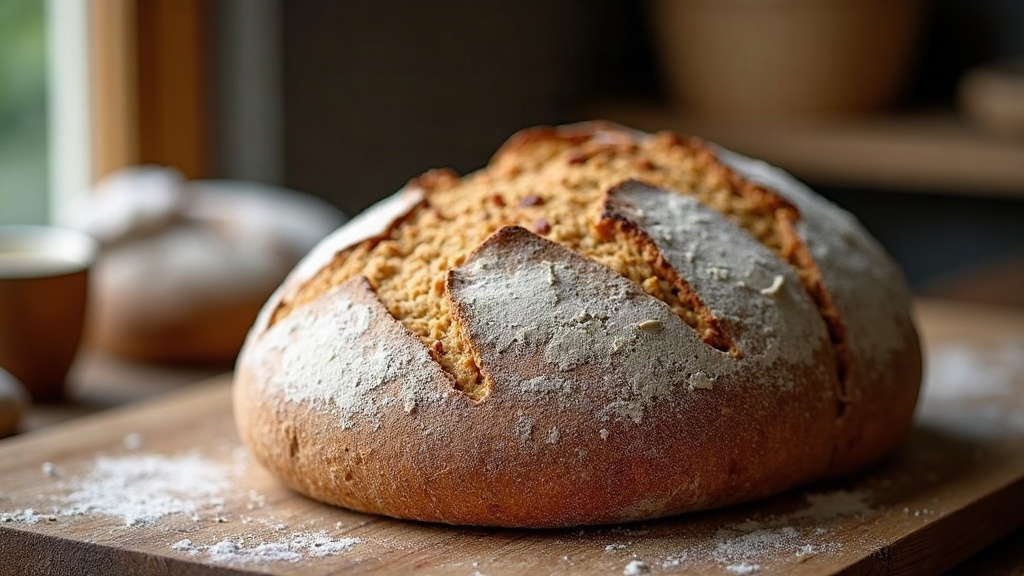
Baking sourdough above 3,000 feet in a dry climate changes almost everything about bulk fermentation. Lower air pressure speeds up gas expansion, while low humidity dries out your dough and starves your starter of moisture. There’s no single trick that fixes this. It’s a combination of shorter fermentation windows, higher hydration, and a more protected environment for your levain. Here’s how to recalibrate your process so your loaves stop over-proofing, collapsing, or coming out dense and crumbly.
Why Altitude and Dryness Change Fermentation
Once you climb above roughly 3,000 feet, atmospheric pressure drops. Gas bubbles produced by your starter’s yeast and bacteria expand faster and meet less resistance, since there’s simply less air pressure pushing back against the dough. In practical terms: a bulk ferment that takes 5-6 hours at sea level might wrap up in 3-4 hours up high.
Dry climates add a second layer to the problem. Low ambient humidity pulls moisture straight out of your dough’s surface, forms a tough skin during bulk fermentation, and dries out your starter between feedings faster than most bakers expect. Put the two together, and you’ve got a situation where you need to watch the dough itself, not the clock, far more closely than any standard recipe timeline accounts for.
Adjusting Your Starter for Dry, High-Altitude Conditions
Your starter is your early warning system. Get it stable before you worry about anything else.
- Feed more frequently. Dry air speeds up evaporation, which concentrates your starter and throws off its hydration ratio. If your kitchen runs arid, feed every 8-12 hours instead of sticking to once a day.
- Increase starter hydration slightly. A 100% hydration starter can turn sluggish and stiff in dry air. Push it to 110-120% hydration to keep it loose and lively.
- Store it somewhere humidity-stable. A covered glass jar with a loose-fitting lid (never airtight) stops rapid surface drying while still letting gas escape.
- Watch rise speed, not just rise height. At altitude, starters often peak fast and fall just as fast. Catch it near peak, not after it’s already deflated on you.
Rethinking Bulk Fermentation Time
Standard recipes assume sea-level pressure and moderate humidity, so treat any printed time as a rough starting point, nothing more.
- Cut initial bulk fermentation time by 25-30%. A recipe calling for 5 hours at 75°F? Start checking at the 3.5 to 4-hour mark instead.
- Use the poke test aggressively. Press a floured finger into the dough. It should spring back slowly and only partially. At altitude, dough hits this stage faster than visual cues would suggest.
- Drop your fermentation temperature. Fermenting at 70-72°F instead of 76-78°F slows things down just enough to widen your window for catching the right moment.
- Track volume increase, not time. Aim for a 30-50% volume increase rather than the classic “double in size” rule. Over-fermented dough at altitude loses structure fast and simply won’t hold its shape during shaping or baking.
Hydration and Dough Handling in Dry Air
Low humidity dries out exposed dough surfaces, and that leads to skin formation, weaker oven spring, and tearing during shaping.
- Increase hydration by 3-5%. A recipe sitting at 75% hydration? Try 78-80% instead, to make up for moisture lost during bulk fermentation.
- Cover dough tightly with a damp towel or plastic wrap, not a loose cloth, to trap surface moisture during bulk fermentation.
- Shorten bench rest times. Dry air dries exposed surfaces quickly between folds, so move through shaping steps a bit faster than you would in a humid kitchen.
- Consider a humidity-controlled proofing box, or just set a shallow pan of water near your proofing area to nudge up local humidity.
Adjusting Your Baking Approach
Since the upstream fermentation has changed, your bake needs a few small tweaks too:
- Preheat your Dutch oven or baking stone longer. Thinner, faster-fermented dough benefits from a strong initial blast of heat for oven spring.
- Add steam generously for the first 15-20 minutes to counter the crust-drying effect of low ambient humidity.
- Reduce your cold retard time slightly. Fermentation doesn’t stop in the fridge, it just slows down. Altitude dough can still over-proof overnight if you’re not keeping an eye on it.
Common Mistakes to Avoid
- Trusting printed recipe times without adjusting for your elevation and local humidity.
- Letting your starter sit too long between feedings in dry air, which weakens it over time.
- Ignoring visual and tactile dough cues in favor of a fixed clock.
- Running low-hydration formulas unchanged, which leads to a dense, dry crumb.
Conclusion
Successful sourdough at high altitude, in dry conditions, comes down to observation over memorization. Shorten your fermentation windows, bump up hydration a bit, protect your starter and dough from moisture loss, and judge doneness by touch and volume instead of a timer. Get these adjustments dialed in, and you can still pull an open, airy crumb and a well-risen loaf out of your oven, even thousands of feet above sea level in the driest conditions.