Summer Sourdough: Fixing Hydration & Bulk Fermentation Timing
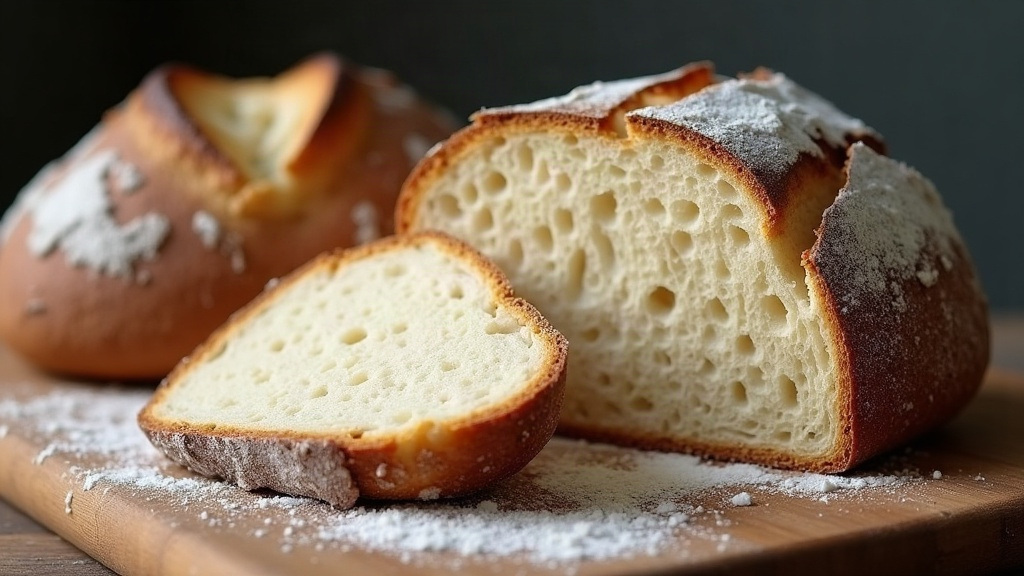
When summer humidity and heat roll in, sourdough that behaved perfectly in spring can turn slack, sour, and overproofed within a single afternoon. The fix isn’t complicated: lower your hydration a touch, start tracking dough temperature instead of the clock, and shorten every fermentation stage to match a starter that’s suddenly working overtime. Here’s how to recalibrate your ratios and timing so your loaves stay consistent no matter how sticky the air gets.
What Actually Changes in Hot, Humid Weather
Two things happen to your dough at once in summer, and both push toward faster, less predictable fermentation.
- Dough temperature climbs. Kitchen air, tap water, even the flour itself all run several degrees warmer. A dough sitting at 76°F (24°C) in spring can easily hit 84-88°F (29-31°C) in midsummer. That’s roughly double the microbial activity.
- Flour soaks up ambient moisture. Humid air puts water vapor into flour while it sits on the shelf, so a cup of flour in August isn’t quite the same cup you measured in January. It’s already carrying extra moisture before you even mix.
- Starters peak faster and crash sooner. A starter fed on its usual schedule can be well past peak activity by the time you’re ready to mix.
Ignore these shifts and you’ll end up with the classic summer complaint: dough that “looks done” collapses in the oven, or a crumb that turns gummy and dense even though you followed the recipe to the letter.
Recalibrating Hydration
Most bakers assume hotter weather means more water. It’s usually the opposite.
Drop your hydration by 3-6%
- If your go-to recipe runs at 78% hydration, aim for 72-75% during peak summer.
- Hold back the last 25-30g of water during mixing. Only add it back if the dough genuinely feels dry after the first fold, don’t just pour it in out of habit.
- Weigh flour fresh instead of trusting old measurements. Humid pantries shift flour’s baseline moisture over time, sometimes more than people expect.
Use cold water on purpose
- Mixing with fridge-cold water (or tossing in a few ice cubes’ worth) can offset a hot kitchen and slow that initial fermentation curve.
- Target a dough temperature of 75-78°F (24-26°C) right after mixing. Use an instant-read thermometer here, don’t guess by feel.
Recalibrating Bulk Fermentation
Fixed bulk times from a recipe card stop meaning much once your kitchen crosses 78°F (25°C).
Watch these visual cues instead of the clock
- 30-50% volume increase, not a full double. Summer dough overproofs fast once it sails past that mark.
- Visible surface bubbles and a jiggly, aerated feel when you nudge the container.
- Dough that domes slightly when poked, rather than sitting flat or deflating the second you touch it.
Practical timing adjustments
- Check progress every 30-45 minutes instead of once an hour.
- Cut stretch-and-fold sets from 4-6 down to 2-3. Gluten strengthens quicker in warm dough, so you need less mechanical help.
- If your recipe calls for a 5-hour bulk rise at 76°F, expect something closer to 2.5-3.5 hours once dough temperature climbs past 82°F (28°C).
Use the Fridge as Your Control Valve
The single most reliable summer tool is a cold retard.
- Move shaped loaves to the fridge (35-38°F / 2-3°C) as soon as bulk fermentation looks 70-80% done, rather than waiting around for “full readiness” at room temperature.
- A 12-16 hour cold retard slows things down dramatically, letting flavor build without the dough racing past its peak while you sleep.
- If your kitchen is too hot for bulk fermentation to happen safely at all, try bulk fermenting in the fridge from the start, pulling the dough out only for folds.
Common Summer Mistakes to Avoid
- Following last season’s timeline. A schedule timed for a 68°F kitchen will overproof fast at 84°F. Adjust for actual dough temperature, not the air temperature you think you’re working in.
- Adding extra water “because it’s hot.” This just compounds the problem, since the flour is already wetter and fermentation is already running ahead of you.
- Skipping the poke test. Press a floured finger into the dough. Springs back slowly and partially? It’s ready. Springs back instantly? Give it more time. Doesn’t spring back at all? It’s likely overproofed already.
- Feeding your starter on autopilot. In summer a starter often peaks in 4-6 hours instead of 8-12. Feed closer to your actual bake time and watch for the dome-then-slight-fall pattern that signals peak activity.
Conclusion
Peak summer humidity doesn’t have to wreck your sourdough. It just means trading fixed recipe numbers for real-time cues. Drop your hydration a few percentage points, chill your mixing water, track actual dough temperature, and lean on the fridge whenever you need to buy back control over timing. Once you start reading the dough instead of the clock, summer sourdough turns out just as consistent as any other season.