How to Bake 100% Spelt Sourdough Without Deflating the Crumb
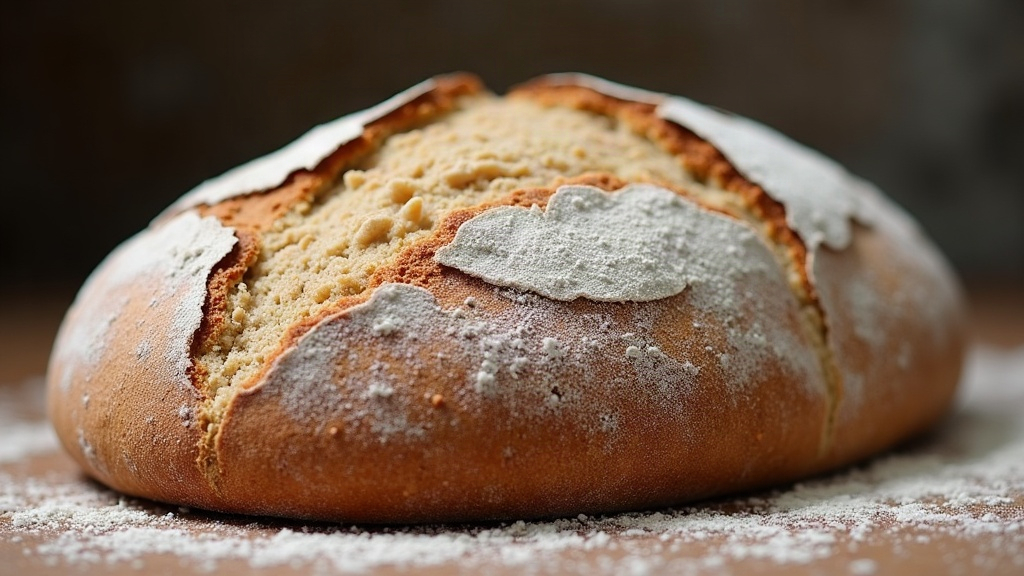
Baking 100% spelt sourdough without watching the crumb collapse is one of those quiet tests every home baker eventually faces. Spelt gives you that deep, nutty flavor and a crust that turns a proper deep gold, and plenty of people find it easier on the stomach than modern wheat. But its gluten is fragile, and it folds under pressure fast. If you’ve pulled yet another dense, flat sourdough pancake out of the oven and wondered what went wrong, you’re not alone, and you’re definitely not doing anything unusually bad. The trick to getting a tall, open, airy crumb is understanding how spelt actually behaves, because it’s nothing like standard bread flour, and then adjusting your process to match.
Why Does 100% Spelt Dough Deflate?
Before you can fix a collapsing loaf, you need to know what’s happening inside the dough. Spelt is an ancient grain, and yes, it has gluten, but the balance of proteins in that gluten is skewed in a way that catches a lot of bakers off guard. It’s high in gliadin, which gives dough its stretch, and comparatively low in glutenin, which is what gives dough its backbone and snap.
That imbalance means spelt dough will stretch like taffy, but it won’t spring back the way wheat dough does. On top of that, spelt ferments faster than modern wheat, thanks to its high water solubility and unusually active enzymes. Treat a 100% spelt loaf the way you’d treat a strong bread-flour loaf, and the gluten network simply breaks down. It over-ferments, weakens, and then flattens out the moment you score it or slide it into the oven.
5 Golden Rules for a Tall Spelt Sourdough Crumb
If you want your loaf to spring upward instead of spreading sideways across the baking stone, every step matters. Here’s what actually moves the needle.
1. Drop the Hydration
Modern flours shrug off 75% to 85% hydration without blinking. Spelt can’t do that. Its gluten network just isn’t strong enough to hold that much water, so anything excessive turns your dough into a sticky, unmanageable puddle.
- Actionable tip: Start at 65% to 68% hydration. Once you get a feel for how your particular bag of spelt flour drinks water, you can nudge it up in later bakes.
2. Shorten the Bulk Fermentation
Spelt moves fast. The enzymes packed into the grain chew through starches and proteins quickly, which shrinks your window for a “perfect” proof down to something narrow and easy to miss. Push bulk fermentation too far and the already-weak gluten strands simply snap, leaving you with a flat, deflated loaf.
- Actionable tip: Watch the dough, not the clock. Look for a 30% to 40% rise during bulk fermentation, not the 50% to 75% rise you’d chase with a standard wheat dough.
3. Be Gentle During Folds
Rough kneading tears spelt’s fragile gluten apart. The goal here is to build just enough structure without shoving the dough past the point of no return.
- Actionable tip: Swap out aggressive stretch-and-folds for soft coil folds, and only do them in the first two hours of bulk fermentation. Once the dough starts to feel airy and holds its shape, back off completely. Handling spelt too much later in fermentation will knock the gas right out of it.
4. Shape with Care
Some surface tension is essential when shaping 100% spelt sourdough, but pull too hard and you’ll tear the skin right open.
- Actionable tip: Dust lightly with flour and shape into a tight boule or batard, gently. Once it’s resting in the banneton, “stitch” the bottom seam to add a bit more tension, but do it without pressing down and crushing the air pockets you worked so hard to build.
5. Adjust Your Scoring
A deep score works wonders on elastic wheat dough. On delicate spelt, it’s almost a death blow. Cut too deep and you release all the structural tension at once, so the loaf just spreads sideways in the oven instead of rising.
- Actionable tip: Keep your score shallow and cut at a low angle. Or skip scoring altogether and bake seam-side up instead, letting the loaf tear naturally. It looks rustic, and it helps the loaf hold its height.
Frequently Asked Questions
Can I use an autolyse with 100% spelt? An autolyse (letting flour and water sit before adding your starter) does wonders for strong wheat doughs, but with spelt it can backfire. Spelt’s gluten breaks down so quickly that a long autolyse can leave you with soup instead of dough. If you want to try it anyway, keep it under 30 minutes, or just skip it and mix everything together at once.
Why is my spelt dough spreading in the oven? If your loaf flattens into a pancake the second it hits the peel, it’s almost always one of two things: over-fermentation or too much water. Next bake, cut your bulk fermentation short by an hour and trim your hydration by 2 to 3%.
Conclusion
Baking 100% spelt sourdough without losing the crumb comes down to a light touch, lower hydration, and paying close attention during fermentation. Respect what makes spelt extensible and fragile in the first place, drop the heavy-handed techniques you’d use on modern wheat, and you’ll start turning out loaves that are flavorful, light, and genuinely well-domed, bake after bake.