Best Gluten-Free Rice Flour Alternatives for Proofing Baskets
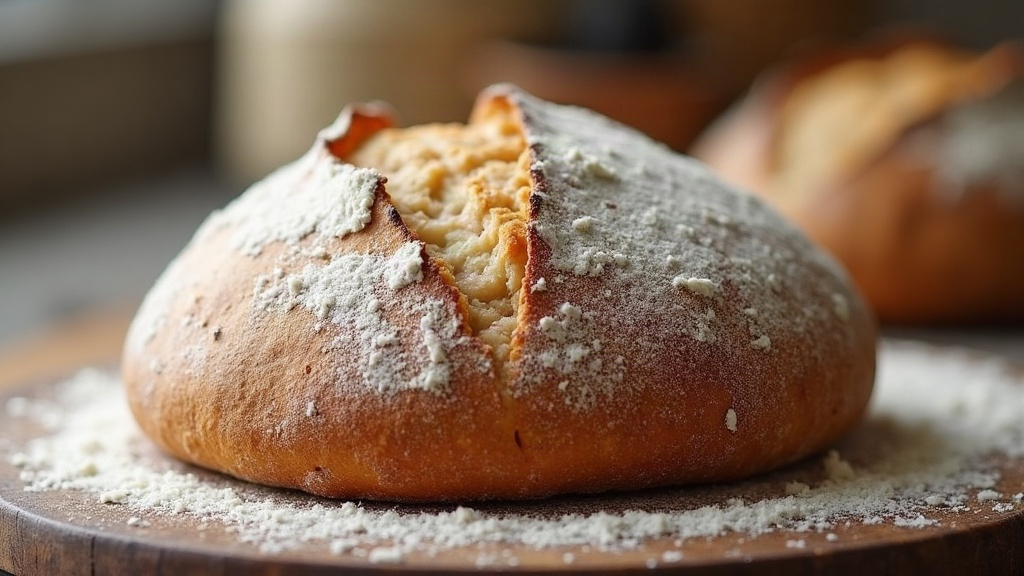
If your gluten-free sourdough keeps tearing apart when you flip it out of the proofing basket, the problem usually isn’t your recipe. It’s your dusting flour. Rice flour is the classic go-to, but it doesn’t always hold up for every dough hydration or basket material. Below are the best gluten-free alternatives, how to use them, and why some outperform plain white rice flour.
Why Gluten-Free Dough Sticks More Than Wheat Dough
Gluten-free sourdough tends to be wetter and stickier than wheat-based dough, mostly because it leans on starches like rice, sorghum, or tapioca plus hydrocolloids (psyllium husk, xanthan gum) to fake gluten’s structure. Without that elastic gluten network holding things together, the surface stays tacky for longer during proofing. So instead of releasing cleanly, it grabs onto banneton ridges or cloth liners like glue.
A few extra proofing-basket culprits worth checking:
- Too little dusting flour on a well-worn rattan basket
- Dusting too early, letting the flour get absorbed into the dough before it has a chance to set
- Using a liner that holds moisture, like unlined plastic
Rice Flour Still Works, But Choose the Right Type
Not all rice flour behaves the same once it’s in a banneton.
- White rice flour: finely milled, absorbs moisture fast, and is the standard pick. Works fine for shorter proofs (2-4 hours).
- Brown rice flour: a bit coarser and more absorbent, which gives better “grip-resistance” for longer cold proofs (8-12 hours in the fridge).
- Glutinous (sweet) rice flour: despite the misleading name, it is gluten-free. Still, skip it here. Its higher starch content turns gummy the moment moisture hits it, which can actually make sticking worse, not better.
If you’re already using rice flour and the dough is still sticking, try switching from white to brown rice flour first. That’s an easier fix than overhauling your whole flour setup.
Top Gluten-Free Alternatives to Rice Flour
1. Sorghum Flour
Sorghum has a slightly gritty texture, and that grit creates more surface friction than rice flour, which helps the dough pop out cleanly. It’s become a favorite among gluten-free bakers for long, cold retard proofs, since it resists moisture absorption better over time than rice flour does.
2. Potato Starch (Not Potato Flour)
Potato starch is ultra-fine and forms a powdery, almost non-stick barrier on the dough surface. It works especially well on smooth plastic or silicone proofing baskets, the kind where rice flour tends to clump up in patches. Use it sparingly, though. A little really does go a long way here.
3. Tapioca Starch
Lightweight and neutral in flavor, tapioca starch suits high-hydration doughs (80%+ hydration) because it stays dry on the surface longer than rice flour manages. Best used blended 50/50 with rice flour rather than on its own. Alone, it can feel almost slippery rather than giving you that grip you actually want.
4. Millet Flour
Millet flour carries a slightly nutty flavor and a drier texture that holds up well in humid kitchens. If you live somewhere muggy, where rice flour dusting tends to go damp and sticky halfway through a proof, millet is worth trying.
5. Rice Flour + Cornstarch Blend
A 2:1 mix of rice flour to cornstarch is an old bakery trick. The cornstarch adds extra moisture resistance without noticeably changing the final crust texture.
How to Dust a Proofing Basket Correctly
- Make sure the basket is completely dry before you dust it.
- Dust generously, more than you think you need, especially down in the ridges of rattan bannetons.
- Dust right before placing the dough in, not twenty minutes ahead of time.
- For sticky high-hydration doughs, line the basket with a cotton cloth dusted with your chosen flour blend as an extra buffer.
- After baking, let the basket fully air-dry before storing it. Otherwise leftover flour buildup can turn gummy over time.
Quick Comparison
| Flour/Starch | Best For | Watch Out For |
|---|---|---|
| White rice flour | Short proofs | Can wash off on long ferments |
| Brown rice flour | Long/cold proofs | Slightly coarser crust dusting |
| Sorghum flour | Rustic texture, grip | Adds mild flavor |
| Potato starch | Smooth/plastic baskets | Use lightly, very fine |
| Tapioca starch | High hydration dough | Best blended, not alone |
| Millet flour | Humid climates | Nutty flavor note |
Conclusion
Rice flour is still a solid baseline for dusting gluten-free sourdough proofing baskets, but it’s not one-size-fits-all, and treating it that way is where a lot of bakers get stuck (literally). Match your dusting flour to your dough’s hydration, your proofing time, and how humid your kitchen runs: brown rice flour or sorghum for long cold proofs, potato starch for smooth baskets, tapioca blends for very wet doughs. Small tweaks to your dusting routine are often the entire difference between a clean release and a torn, stuck loaf.