Glycemic Index of Long-Fermented Einkorn Sourdough Explained
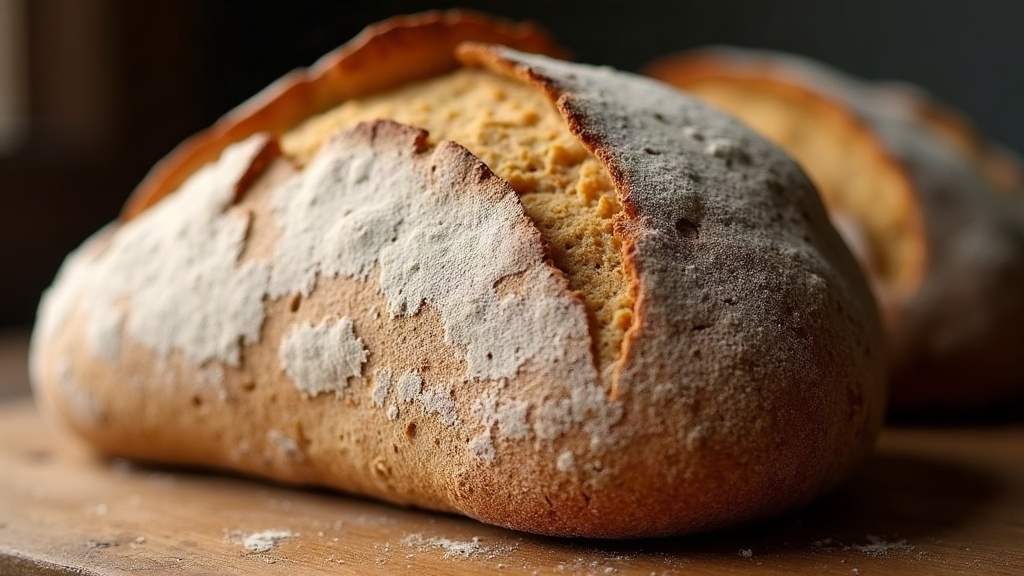
Long-fermented einkorn sourdough consistently beats commercial white bread, and even standard whole wheat sourdough, on the glycemic index. We’re talking 45-55 typically, versus 70+ for the stuff wrapped in plastic at the grocery store. Two things stack up to cause this: einkorn’s ancient, lower-gluten structure, and the long souring process of natural fermentation. Together they slow down how fast starch turns into blood sugar.
If you’re tracking blood sugar, watching your insulin response, or just tired of crashing at 10am, it helps to know why this particular loaf behaves differently. Makes it easier to choose well, whether you’re at the bakery counter or baking at home.
What the Glycemic Index Actually Measures
GI ranks carb-containing foods from 0 to 100, based on how much they spike blood glucose compared to pure glucose (which sits at 100 by definition). Rough categories:
- Low GI: 55 or below
- Medium GI: 56-69
- High GI: 70 and above
Most grocery-store white bread, and plenty of “wheat” loaves too, land in the high-GI zone, often 70-85. Why? Refined flour plus fast commercial yeast leaves the starch mostly intact and easy for your body to digest quickly.
Why Einkorn Flour Starts With an Advantage
Einkorn is one of the oldest cultivated wheat varieties around, genetically its own thing compared to modern bread wheat. It never went through the century of hybridization that common wheat did, and that turns out to matter for blood sugar in a few specific ways:
- Different starch structure: the ratio of amylose to amylopectin in einkorn’s starch granules means slower digestion than you get with modern wheat.
- Looser gluten network: this gives a more porous crumb. Sounds unrelated to GI, but it actually changes how easily digestive enzymes reach the starch molecules.
- More lutein and protein per gram: extra protein blunts the glucose spike a bit, compared to flours that are mostly starch.
Even before fermentation enters the picture, einkorn flour already tests lower on the GI scale than standard wheat flour. Fermentation is where things really shift, though.
How Long Fermentation Lowers the Glycemic Response
A proper sourdough starter needs 12 to 48 hours to do its work, compared to the 1-2 hours of a commercial yeasted dough. During that long window, three things happen, all of which pull GI down:
- Lactic acid bacteria churn out organic acids, which slow gastric emptying and reduce how fast starch converts to glucose after you eat it.
- Wild enzymes partially break down starch and phytic acid before the bread ever reaches your mouth. Oddly enough, this makes the leftover starch more resistant to fast digestion (the “resistant starch” effect).
- Gluten proteins get partially predigested by the yeast and bacteria culture, which lowers the overall glycemic load of the finished loaf.
Studies comparing sourdough to plain yeast-leavened bread have found 20-30% lower blood glucose responses for sourdough versions, using the exact same flour. Now stack that on top of einkorn’s already-lower baseline GI. You end up with a loaf that your body processes in a genuinely different way than a supermarket sandwich bread.
Practical Tips for Blood Sugar Management
Trying to fit einkorn sourdough into a blood-sugar-conscious diet? A few things worth knowing:
- Check the fermentation time. A true 24-hour-plus bulk ferment and proof gives you a meaningfully lower GI than “sourdough-flavored” loaves made with shortcuts and a dose of commercial yeast.
- Pair it with protein or fat. Avocado, eggs, nut butter, anything like that slows glucose absorption further.
- Watch your portions. Low GI doesn’t mean unlimited. Eat four slices at once and the glycemic load still adds up.
- Toast lightly, skip the heavy processing. A little toasting is fine (it does change starch structure slightly), but don’t pair it with sugary jam and call it healthy.
- Ask the baker about starter age and rise time. A starter that’s been fed for months, combined with a slow cold proof in the fridge, boosts the acidification that lowers GI even further.
Who Benefits Most
This kind of bread is especially worth seeking out if you fall into one of these groups:
- People with prediabetes or type 2 diabetes looking for carbs with less metabolic impact
- Anyone following a low-glycemic or blood-sugar-stabilizing way of eating
- People with mild gluten sensitivity (not celiac disease) who find einkorn easier to tolerate than modern wheat
- Athletes chasing steady, sustained energy instead of a spike followed by a crash
Conclusion
Long-fermented einkorn sourdough isn’t some bakery trend riding on nostalgia. Metabolically, it’s a different food altogether. Einkorn’s ancient starch structure plus the slow, acid-heavy fermentation process work together to soften the blood sugar spike that regular bread causes. If you’re managing glucose, or just want energy that doesn’t crash by mid-morning, tracking down a true long-fermented einkorn sourdough, and knowing what “long-fermented” actually means in practice, is a small change that pays off every single day.